PHASE 1 — VISION & FOUNDATION
PHASE 1A
A ONE DAY BRAINSTORMING SESSION ON
From Deep Time to Deep Learning: Unlocking Palaeosciences through Palaeobiological Data and AI Innovation
Organized on: 12 May 2026
Venue: Birbal Sahni Institute of Palaeosciences (BSIP), Lucknow
Patron: Prof. M.G. Thakkar (Director, BSIP, Lucknow)
Convenor: Dr. Anjali Trivedi (Scientist-E, BSIP, Lucknow)
Co-convenor: Dr. Nilay Govind (Technical Officer, BSIP, Lucknow)
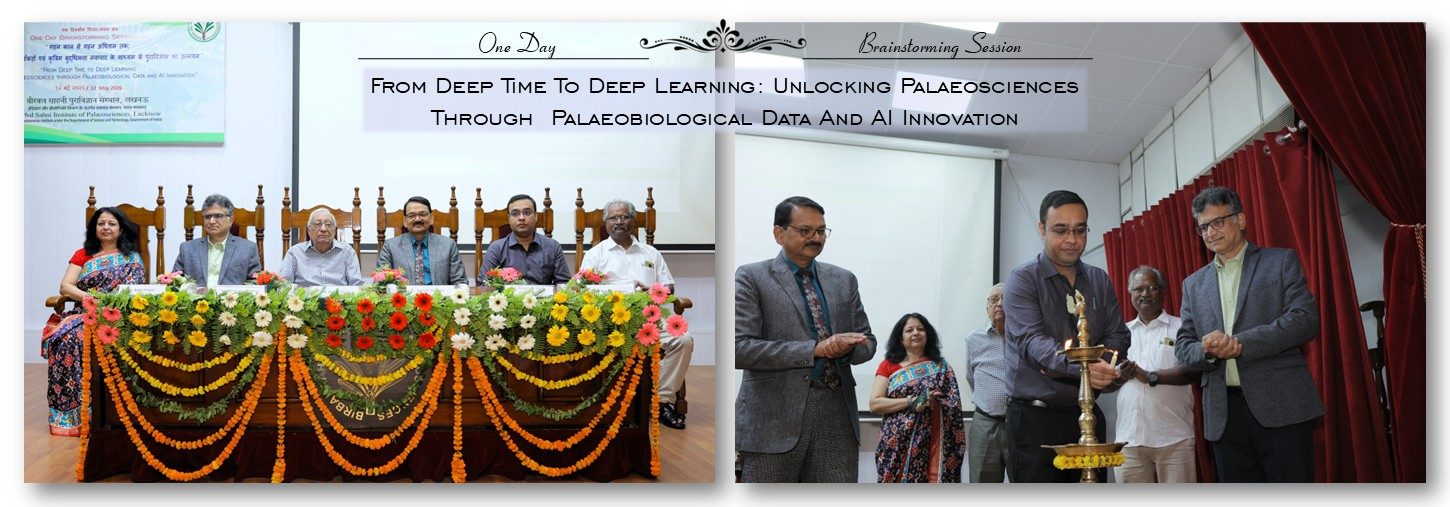
The one-day brainstorming session entitled “From Deep Time to Deep Learning: Unlocking Palaeosciences through Palaeobiological Data and AI Innovation” was organized by the Birbal Sahni Institute of Palaeosciences (BSIP), Lucknow, on 12 May 2026. The session marked an important initiative towards exploring the integration of Artificial Intelligence (AI), Machine Learning (ML), and advanced computational approaches with palaeobotanical, palynological and microfossil research.
Distinguished Addresses
Guest of Honour: Shri Sanjeev Kumar Singh (Member Secretary, Uttar Pradesh Pollution Control Board)
The Guest of Honour highlighted the potential of automated pollen and spore identification in climate-change research and environmental monitoring. He emphasized the possible contribution of deep-learning approaches to the study of long-term biodiversity patterns, climate variability and sustainable environmental management.
Special Guest: Prof. Ashok Sahni (Professor Emeritus, Panjab University)
The Special Guest emphasized the importance of incorporating AI into palaeoclimatic interpretations, particularly precipitation and temperature reconstructions, and highlighted AI applications in geological and palaeontological sciences as an emerging area of research.
Chief Guest: Dr. G. K. Goswami (Director, Uttar Pradesh State Institute of Forensic Science (UPSIFS))
The Chief Guest stressed the importance of ethical and responsible AI in scientific research. He highlighted the need for scientific validation of AI-assisted interpretations and emphasized data integrity, transparency and appropriate audit trails in AI-supported research.
Scientific Talk Series
❖ Talk 1 by Dr. Anjali Trivedi, Scientist ‘E’, BSIP | Convenor
Title: From Deep Time to Deep Learning: Unlocking Palaeosciences through Palaeobiological Data and AI Innovation
The opening scientific presentation highlighted the diverse palaeobiological resources available at BSIP, including pollen, phytoliths and other microfossil archives. The presentation explored the potential of AI for digital analysis, data integration and future palaeoscientific applications.
❖ Talk 2 by Prof. Arunabha Mukhopadhyay, Professor, Indian Institute of Management Lucknow
Title: AI for Palynology and Palaeobotany
The presentation discussed the potential application of AI models in palaeoenvironmental reconstruction, automated fossil identification and hydrocarbon exploration.
❖ Talk 3 by Dr. Punnet Misra, Department of Computer Science, University of Lucknow
Title: Transforming Palaeoscience Research through Artificial Intelligence
The talk addressed the labour-intensive nature of micropalaeontological investigations and explored how AI-assisted automated identification combined with expert validation could support palaeobotanical and palynological research.
❖ Talk 4 by Shri Prakalpa Sharma, Deputy Registrar (Legal), Indian Institute of Technology (IIT), Kanpur
Title: Intellectual Property, Ethics, and the Governance of Artificial Intelligence in Palaeosciences
The presentation examined legal frameworks, intellectual property rights, ethical considerations and protection of traditional knowledge in AI-driven scientific research.
❖ Talk 5 by Shri Ankit Khurana, Scientist–D, Centre for Development of Advanced Computing (C-DAC)
Title: Building the Way Forward: Data Readiness and Collaborative Frameworks
The presentation focused on data management, digital repositories, data protection, collaborative frameworks, training programmes and hackathons, highlighting their importance in developing a robust AI-based research ecosystem.
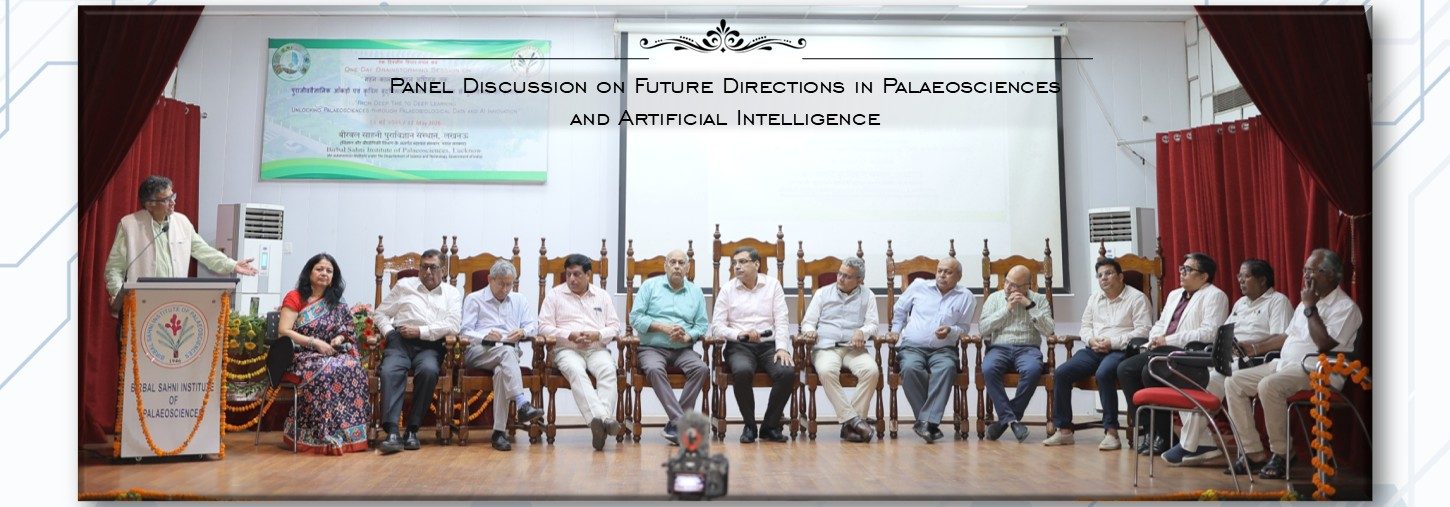
Open Brainstorming & Panel Discussion
Future Directions in Palaeosciences and Artificial Intelligence
The programme concluded with an open brainstorming and panel discussion involving distinguished speakers, scientists, researchers and participants. The discussion explored several key requirements for developing AI-enabled palaeoscience, including:
- AI-ready training datasets integrating images, morphometric information and metadata
- High-resolution digital imaging of palaeobiological materials
- Computational infrastructure for processing and storing large datasets
- Development of digital palaeoscientific repositories
- Ethical considerations and intellectual property associated with data sharing
- Expert validation of AI-generated identifications and interpretations
- Interdisciplinary collaboration between palaeoscientists, AI researchers and computational experts
- Training programmes and collaborative initiatives for building future expertise
- Development of a long-term framework for AI-enabled palaeoscience research in India
Key Outcomes
The brainstorming session provided a multidisciplinary platform for identifying the scientific, technological and infrastructural requirements for integrating AI with palaeoscience. The deliberations particularly emphasized the need to:
- Digitise palaeobiological collections through high-quality imaging and structured digital records.
- Build AI-ready datasets, combine fossil images with morphometric, taxonomic and contextual metadata.
- Develop intelligent tools, explore AI and Deep-Learning approaches for automated microfossil recognition and analysis.
- Integrate expertise, combine computational methods with palaeoscientific knowledge and expert validation.
- Create digital repositories, develop accessible and structured platforms for long-term preservation and scientific use of palaeobiological data.
- Establish collaborative frameworks, promote interdisciplinary partnerships, training and technology development.
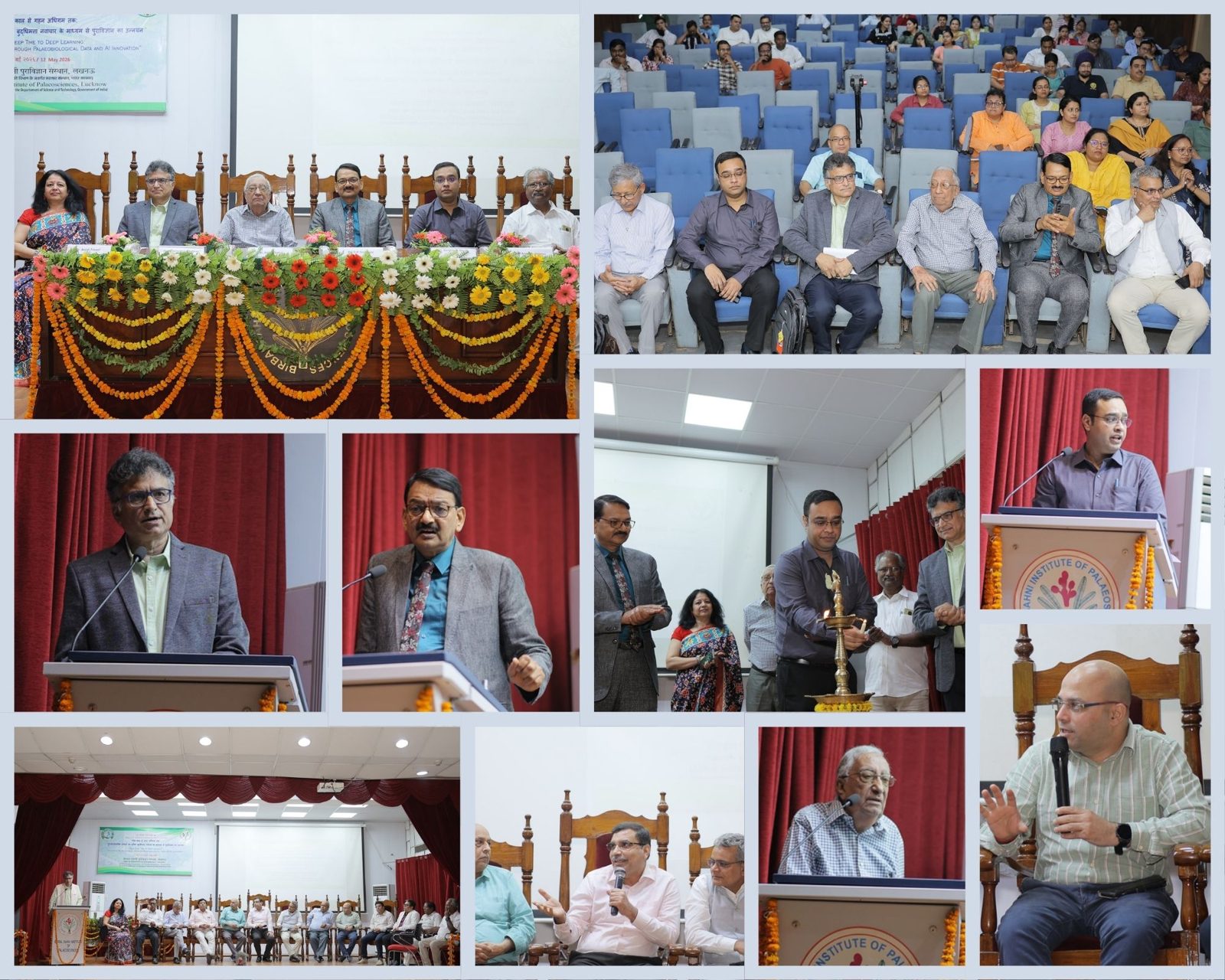
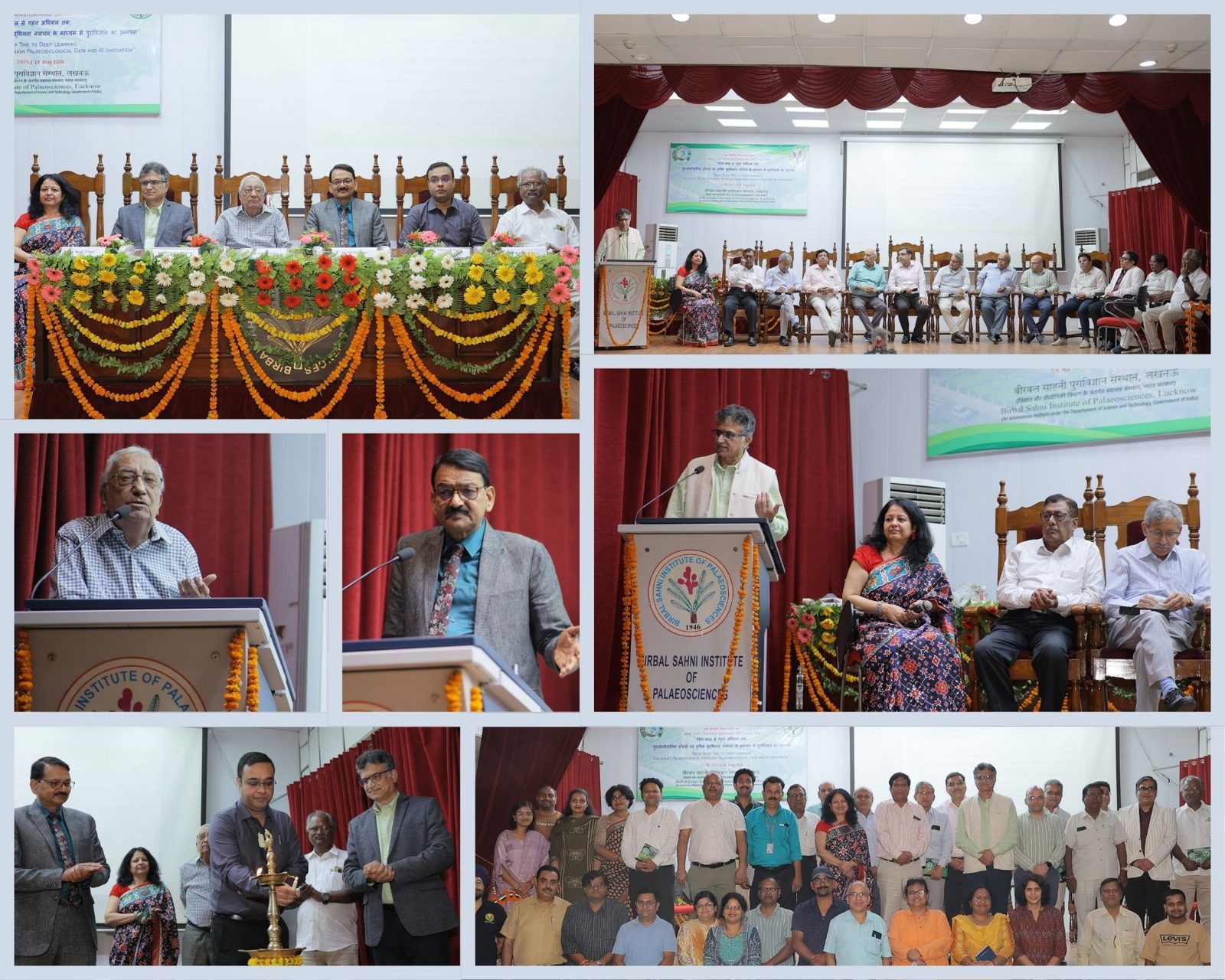
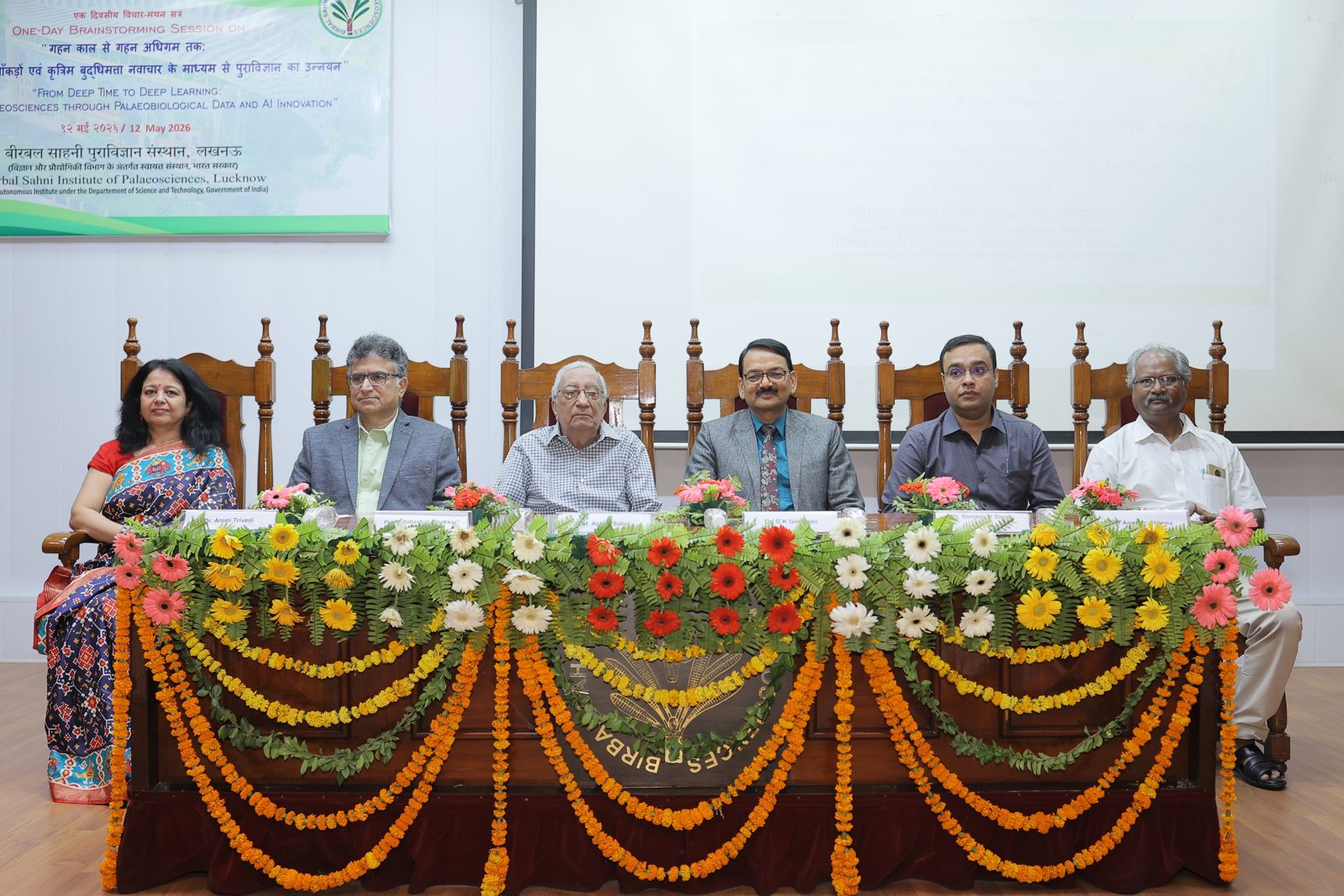
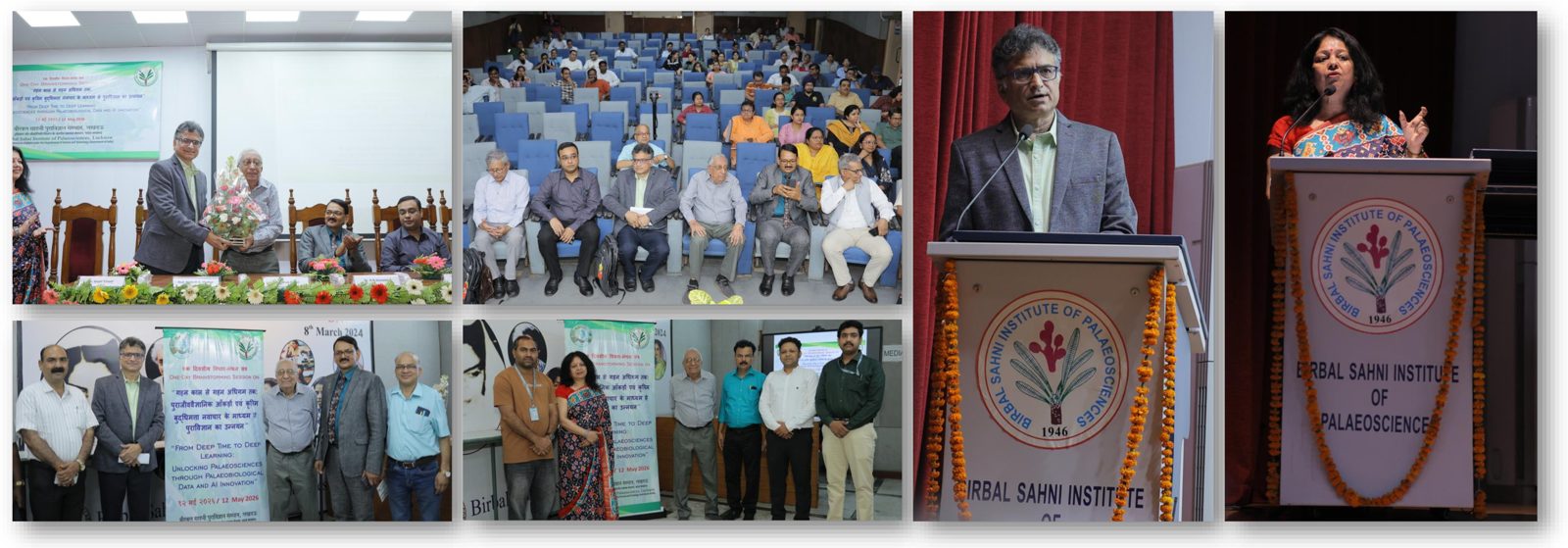
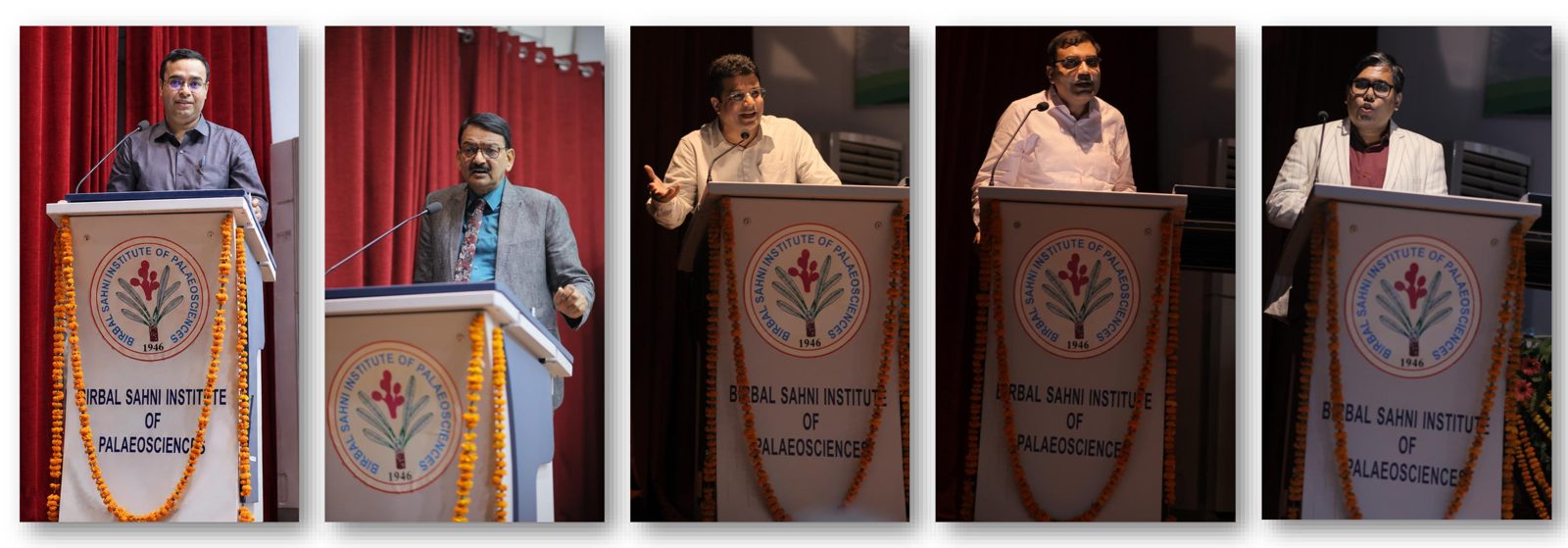
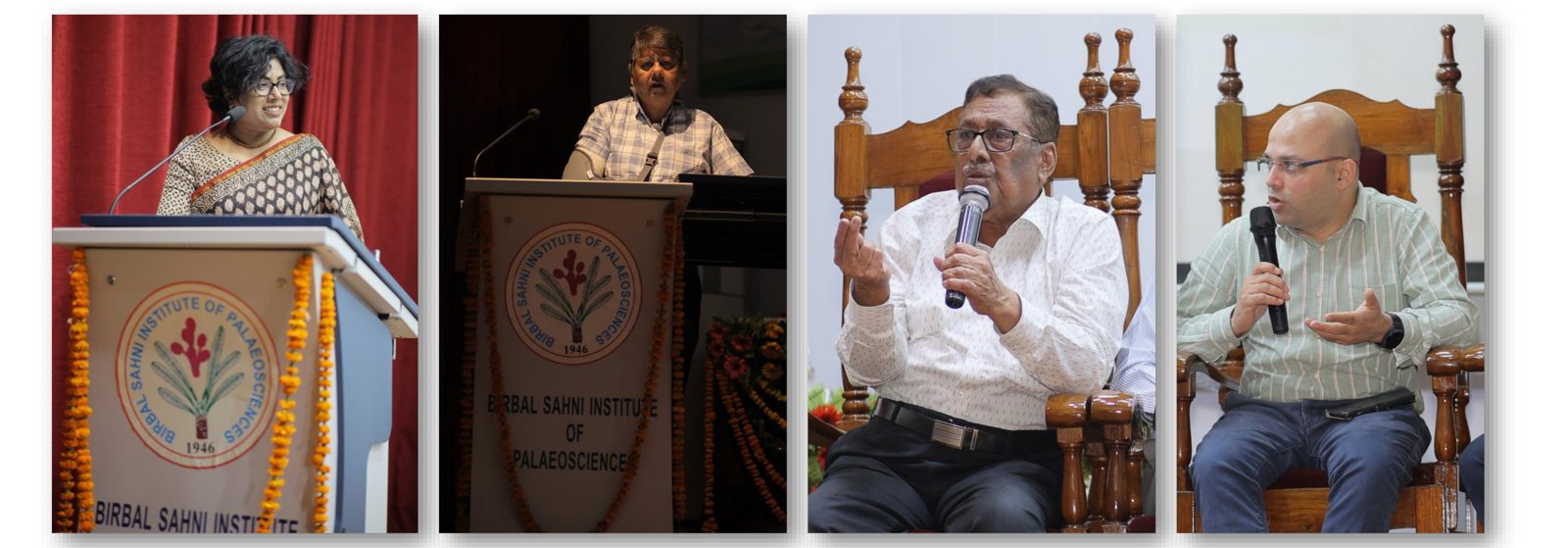
Phase 1A Photographs
PHASE 1B
Constitution of the BRAHMA Mission Committee
From Scientific Vision to an Institutional Framework
Following the brainstorming session held on 12 May 2026, the next step in the development of the BRAHMA Mission was the establishment of an institutional framework to translate the scientific vision into a structured and coordinated programme.
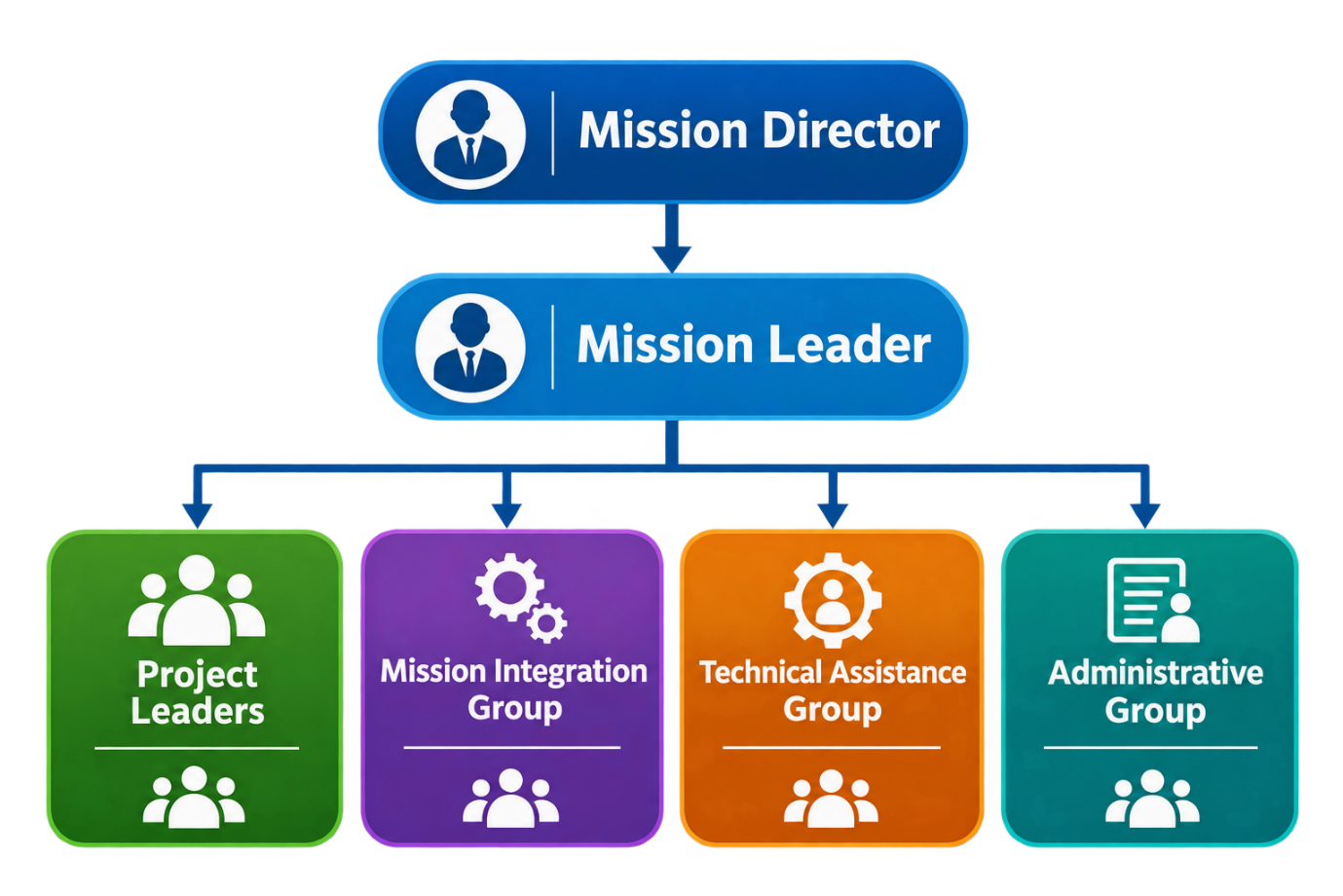
The BRAHMA Mission Committee was constituted at the Birbal Sahni Institute of Palaeosciences (BSIP), Lucknow (No. BSIP/Committee/2026-27/L-787, dated: 27.07.2026), to provide the organizational framework required for advancing the mission. The committee brings together scientific leadership, project-level expertise, mission integration, technical support and administrative coordination under a unified structure.
MISSION STRUCTURE
The BRAHMA Mission Committee follows a coordinated hierarchical framework designed to connect mission-level leadership with project implementation, scientific integration, technical assistance and administrative support.